We are entering into a new era of lighting solutions in 2026, and our thoughts are changing on the way we look at light in buildings. Architectural Lighting is no longer just a practical device designed to lighten up areas; it has become an important element of design. It creates mood, enriches materials, and highlights architectural intentions. Lighting Trends in the present day encompasses integrated smart systems and being a sustainable part of the spatial conception, use, and experience. As an architect, interior designer, or specification professional, knowing these Lighting Trends will help you have the advantage of designing a considerate and future-oriented space.
Why Architectural Lighting is important in 2026.
The idea of Architectural Lighting is no longer a secondary consideration during the design process, but rather right at the center of the creation of spaces that are intuitive, responsive, and beautiful. Modern lighting projects are involved in the initial stages of the design process to collaborate with structure, materials, and circulation. It reacts with daylight, makes surfaces more textured, and turns on or off according to the time of day. As new technology and demands for flexibility emerge, this is one of the most significant elements of modern design thinking in making Architectural Lighting.
Let’s deep dive into modern lighting trends that define the need for change and have become a must-have instead of an afterthought:
Trend 1: Smart Lighting Solutions that are space-responsive
The emergence of Smart lighting solutions is one of the largest changes that is being made towards 2026. These systems do not just switch on and off, but they can change with the movement of the user, the time of the day, and even the natural light conditions. Intelligent controls, sensors, and automation are now becoming standard features of high-end residential, commercial, and hospitality projects.
This implies to the architects that they must design with lighting that is dynamically responsive to the needs of programming. These solutions ensure that spaces become living instead of overly dull due to the replacement of scenes that vary with activities, automated energy optimization, and more. The appeal of smart technology and smartly designed fittings helps increase comfort to the user and minimise the consumption of energy.
Trend 2: Architectural Form Integration
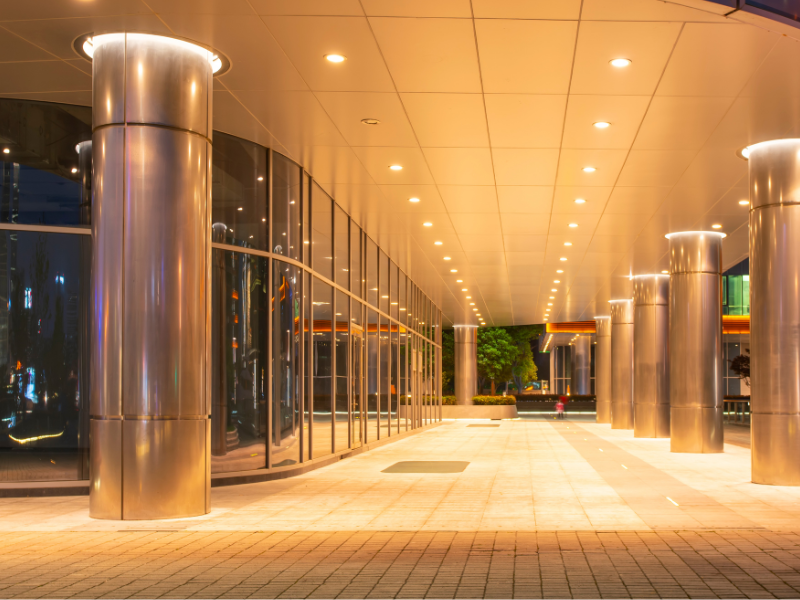
In 2026, the theme that will be introduced under the title of Modern Lighting is all about integration, where the lighting is perceived as a part of the architecture. Linear elements concealed in coves, grooved channels that accentuate geometry, and light modules that melt into ceilings or walls will become popular.
This will enable the designers to emphasize forms and shadows without making it distracting from the material or craftsmanship. Lighting in the architecture embedded into the structure becomes spatial and instinctive in nature, and not just a decorative light source. Consequently, lighting does not clutter the design story.
Trend 3: Multilayered Lighting for spatial experience
Layered lighting is also becoming influential since designers have outgrown unidirectional lighting. Layering ambient, task, and accent spaces enables spaces to be flexible, working, and aesthetically abundant. Good Architectural Lighting does not simply illuminate a space, but instead it provides hierarchy, depth, and flow of emotion.
Ambient layers are general in nature, task layers are functional, such as kitchen or work area, and accent layers draw attention to specific aspects, such as an artwork or architectural details. Considered overlaying enables spaces to move from day to night in a gradual way, altering the mood without human intervention.
Trend 4: Bio-philic and Anthropocentric lighting.
One of the key concerns of the modern design thought is the relationship between light and wellbeing. Circadian-friendly (supporting your body’s natural 24-hour sleep-wake cycle) and natural light imitating Architectural Lighting is now an area of concern, particularly in homes and hospitality settings.
Such systems change colour temperature and intensity through the day, and contribute to a sense of connection to natural cycles on the part of occupants. Together with daylighting measures and considerate spatial planning, this trend allows comfort and productivity and also takes human needs into consideration as holistically as ever before.
Trend 5: Sustainability as Design driver
Sustainability is another Lighting Trends that is captivating in 2026, and lighting is not an exception. Designers are opting for durable, energy-saving fixtures that will give maximum output at minimum waste. The LED technology has been able to keep advancing and provide products that consume less energy, have longer lifespans, and have parts that can be recycled.
Efficient and elegant Architectural Lighting lowers the operating expenses and promotes environmentally friendly objectives. Smart controls also improve this by changing lighting to optimize with the available natural light. Beautiful and Smart lighting solutions strengthen the sustainability commitment of a project.
Trend 6: Personalised and Adaptable Lighting Systems
The other trend of the decade is the call for Modern Lighting systems, which can be varied, not just to the fluctuating intensity of light, but also to the programmatic requirements. In 2026, Architectural Lighting does not fit all. Instead, designers are looking at scalable, modular, and flexible alternatives that can be reconfigured with time.
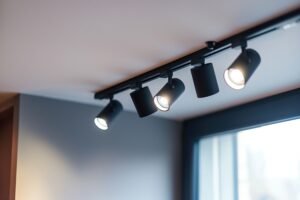
Extensive freedom is offered to both the architects and the end users through track systems, magnetic fixtures, and customizable modules. These flexible solutions make the lighting remain relevant to the life of the building, whether the space requires more accent lighting, adjustable task lighting, or re-programmed control scenes.
Claro- Defining the Lighting Trends of 2026
Claro is in a very unique position to assist the architects and design professionals with flexible, solutions-based lighting systems. Instead of merely providing single fixtures, Claro collaborates with designers to provide end-to-end Architectural Lighting solutions that respond to project requirements, Smart lighting solutions that work for everyone. Claro focuses on quality, flexibility, and community, ensuring that your lighting design supports spatial purpose and uplifts the architectural experience generally. Claro does not simply follow Lighting Trends, it defines them and bends them to suit its Indian customer base.
Looking Ahead:
The lighting future is never about brightness but the way light will interact with people, space, and activities. Architectural Lighting will keep on developing in 2026 as the foundational aspect of design due to the Lighting Trends which emphasize smartness, sustainability, and richness of space.
Incorporating the ideas of Modern Lighting, considering the opportunities of Smart lighting solutions, and collaborating with flexible partners such as Claro, the architects will be able to create useful, sustainable, and beautiful environments.
As we all know, great architecture is not only to be seen, but also to be experienced, and light is the key to a defined experience. And no one does it better than Claro!