The right landscape lighting can completely change the way a property looks after sunset. A well-lit garden can feel warmer, pathways can become safer to walk through, and architectural details that disappear at night can become beautiful focal points.
Outdoor lighting is not only about making a space brighter. It is about deciding what you want people to notice and creating the right atmosphere around it. Whether you are lighting a private garden, villa, terrace, commercial property, or a larger landscape project, the right combination of fixtures can make the outdoor space feel more inviting and complete.
With so many outdoor fixtures available, knowing where to begin can be difficult. From pathway lights and garden spotlights to wall washers and facade lighting, every fixture creates a different effect.
Here are 10 practical landscape lighting ideas that can help you transform your outdoor spaces.
1. Light Up Your Pathways
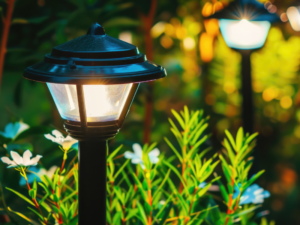
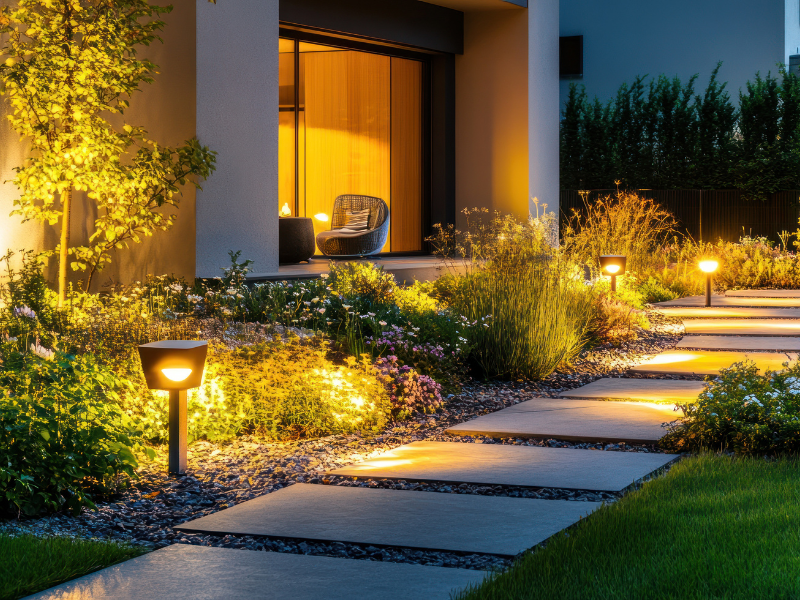
Pathways are one of the first places where outdoor lighting can make a practical difference. Good Outdoor pathway lighting helps people move safely while also creating a clear visual route through the garden.
Low-level pathway lights, bollards, or recessed footlights can be placed along walkways without making them feel overly bright.
For a softer look, keep the fixtures spaced evenly rather than placing too many lights close together. Warm white light can also make garden paths feel more welcoming.
2. Highlight Trees with Uplighting
Trees can become striking features at night when they are lit from below. Uplighting involves placing a spotlight at the base of a tree and directing the beam upwards towards its trunk and branches.
This works particularly well for large trees with interesting shapes or textured bark.
A narrow-beam garden spotlight can create a dramatic effect, while a wider beam can illuminate more of the tree and surrounding foliage. This is one of the simplest garden LED lighting ideas for adding depth to a landscape.
3. Create a Wall-Washing Effect
Plain exterior walls can look completely different with the right lighting. Wall washing involves placing a light at a suitable distance from the surface so that the light spreads evenly across it.
This technique works particularly well on textured stone, brick, concrete, or landscaped boundary walls.
If you are looking for outdoor wall lighting ideas, wall washers are a good place to start. They can highlight the texture of the surface without creating harsh hotspots.
For larger walls, multiple fixtures can be arranged at regular intervals to create a continuous wash of light.
4. Add Light Around Water Features
Water features become especially attractive after dark when they are illuminated properly. A pond, fountain, pool, or small waterfall can become a visual focal point with carefully positioned lights.
Underwater-rated fixtures can be used where appropriate, while spotlights can illuminate the water from the surrounding landscape.
The goal should be to enhance the movement and reflection of the water rather than simply flooding the entire feature with light.
5. Highlight Your Gate and Entrance
The entrance is one of the most important parts of any property, so it deserves some attention when planning landscape lighting.
Gate lights, wall-mounted fixtures, or recessed lights can help define the entrance while providing useful illumination for visitors.
For villas and larger properties, combining lighting around the gate with pathway and facade lighting can create a more cohesive entrance.
The lighting should be bright enough to provide visibility without creating glare for people entering the property.
6. Use Spotlights to Highlight Garden Features
A garden usually has a few features that deserve more attention than others. This could be a sculpture, plant, fountain, tree, seating area, or architectural element.
Garden spotlights allow you to direct light exactly where it is needed. Using a focused beam can draw attention to a specific feature, while a wider beam can cover larger plants or landscape areas.
This is where thoughtful lighting can make a big difference. You do not need to illuminate every part of the garden. Highlighting a few important features can actually create a more sophisticated look.
7. Illuminate Steps and Footpaths
Steps can become difficult to see after dark, making them an important consideration in any outdoor lighting plan.
Recessed step lights, footlights, or small wall-mounted fixtures can provide enough illumination to make each step visible without overpowering the surroundings.
These fixtures can also be incorporated into retaining walls or landscape structures, making them less noticeable during the day.
When planning Outdoor pathway lighting, remember to include changes in level, steps, and narrow passages rather than focusing only on the main walkway.
8. Use Bollard Lights for Open Areas
Bollard lights are practical, simple, and particularly useful for larger gardens, driveways, pathways, and commercial landscapes.
They provide light at a lower height and can help define the edges of a pathway or outdoor area.
Bollards are also useful when you want a consistent lighting pattern across a larger space. Choose a design that complements the architecture of the property so that the fixtures look like part of the landscape rather than an afterthought.
9. Highlight the Facade
The exterior walls of a building should not disappear once the sun goes down. Facade lighting can highlight architectural lines, materials, columns, textures, and other design features.
Wall washers, linear lights, spotlights, and grazing fixtures can all be used depending on the desired effect.
For villas, hotels, offices, restaurants, and other commercial properties, facade lighting can also contribute to the identity of the building.
The key is to focus on the architecture rather than simply making the entire facade equally bright.
10. Create a Relaxed Patio with String Lights
Patios, balconies, terraces, and outdoor seating areas are perfect places for decorative lighting.
String or fairy lights can create a relaxed atmosphere without requiring a complicated lighting installation. They work particularly well around pergolas, seating areas, railings, and outdoor dining spaces.
For a more refined appearance, combine decorative string lights with subtle wall or landscape fixtures. This provides both ambience and practical illumination.
Choosing the Right IP Rating for Outdoor Lights
Outdoor fixtures are exposed to rain, dust, moisture, and changing weather conditions, so their IP rating is an important specification to check.
IP stands for Ingress Protection and indicates how well a fixture is protected against dust and water.
IP65
IP65 fixtures are protected against dust and water jets from different directions. They are suitable for many outdoor applications such as exterior walls, covered outdoor areas, garden lighting, and facade lighting.
IP67
IP67 provides a higher level of protection against water. These fixtures can withstand temporary immersion, making them useful for areas where there is a greater risk of water exposure.
The right rating depends on where the fixture will be installed. A light placed under a covered balcony may have different requirements from one installed directly in an exposed garden or near a water feature.
Always check the manufacturer’s specifications before installing a fixture outdoors.
Common Landscape Lighting Mistakes to Avoid
Even good-quality outdoor fixtures can produce poor results if they are not planned properly.
One of the most common mistakes is over-lighting. Trying to illuminate every tree, plant, wall, and pathway can make the landscape look flat and overly bright. Outdoor lighting usually works better when there are areas of light as well as areas of shadow.
Another mistake is choosing the wrong colour temperature. Very cool white light can sometimes make gardens feel harsh and less natural. Warm white is generally a more comfortable option for residential landscapes and hospitality spaces.
Poor placement is another issue. A light that shines directly into someone’s eyes can create glare, while a spotlight placed too close to a wall can create an unwanted hotspot.
Instead of thinking about how many lights you can install, think about what you want each light to achieve.
How to Plan Landscape Lighting
A good outdoor lighting plan should start with the landscape itself.
Look at the pathways, trees, walls, entrances, water features, seating areas, and architectural elements that you want to highlight. Then decide where you need functional lighting and where you want to create visual interest.
A simple approach is to combine different types of lighting:
- Pathway and bollard lights for movement and safety
- Spotlights for trees and garden features
- Wall washers for textured surfaces
- Step lights for changes in level
- Facade lighting for architecture
- Decorative lights for patios and seating areas
This creates layers of light instead of one uniform level of brightness.
For larger residential or commercial projects, professional planning can also help determine fixture placement, beam angles, light levels, and suitable outdoor specifications.
Why Choose Claro Lights for Outdoor Projects?
Outdoor lighting needs to perform well while also complementing the design of the property. This is particularly important because outdoor fixtures have to deal with weather conditions while maintaining consistent performance.
Claro Lights offers outdoor lighting solutions designed for architectural and landscape applications. From pathway and garden lighting to wall washers, spotlights, and facade lighting, the right fixture can help bring both function and visual character to an outdoor space.
Whether you are working on a villa garden, commercial property, hospitality project, or landscape development, a well-planned lighting system can make the outdoor environment more useful and visually appealing after dark.
Frequently Asked Questions
What type of lighting is best for a garden?
A combination of spotlights, pathway lights, bollards, wall washers, and step lights usually works well for gardens. The best combination depends on the size of the garden and the features you want to highlight. Warm lighting can also create a more comfortable and natural atmosphere.
How many lumens are needed for outdoor path lights?
Outdoor path lights generally do not need to be extremely bright. Around 100–200 lumens per fixture can work for many residential pathways, although the exact requirement depends on the spacing, pathway width, surrounding light, and fixture design.
Are LED outdoor lights waterproof?
Not every outdoor LED light is completely waterproof. The IP rating tells you how resistant a fixture is to dust and water. Fixtures with ratings such as IP65 and IP67 are commonly used for outdoor applications, but the appropriate rating depends on the installation location and level of water exposure.
Conclusion
The right landscape lighting can completely change how a property looks and feels after dark. You do not need to light every corner of your outdoor space. Instead, focus on the elements that matter most and use different fixtures to create a balance of function, ambience, and visual interest.
From Outdoor pathway lighting and garden spotlights to facade lighting and outdoor wall lighting ideas, there are plenty of ways to create an outdoor space that looks as good at night as it does during the day.
If you are planning a new landscape project or upgrading an existing one, Claro Lights can help you find the right outdoor lighting solutions for your space. Explore Claro’s outdoor LED range or request a site visit to plan your landscape lighting with the right fixtures, placement, and specifications.