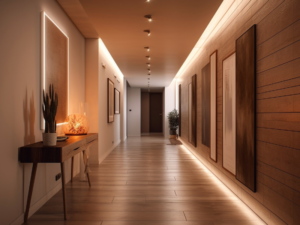
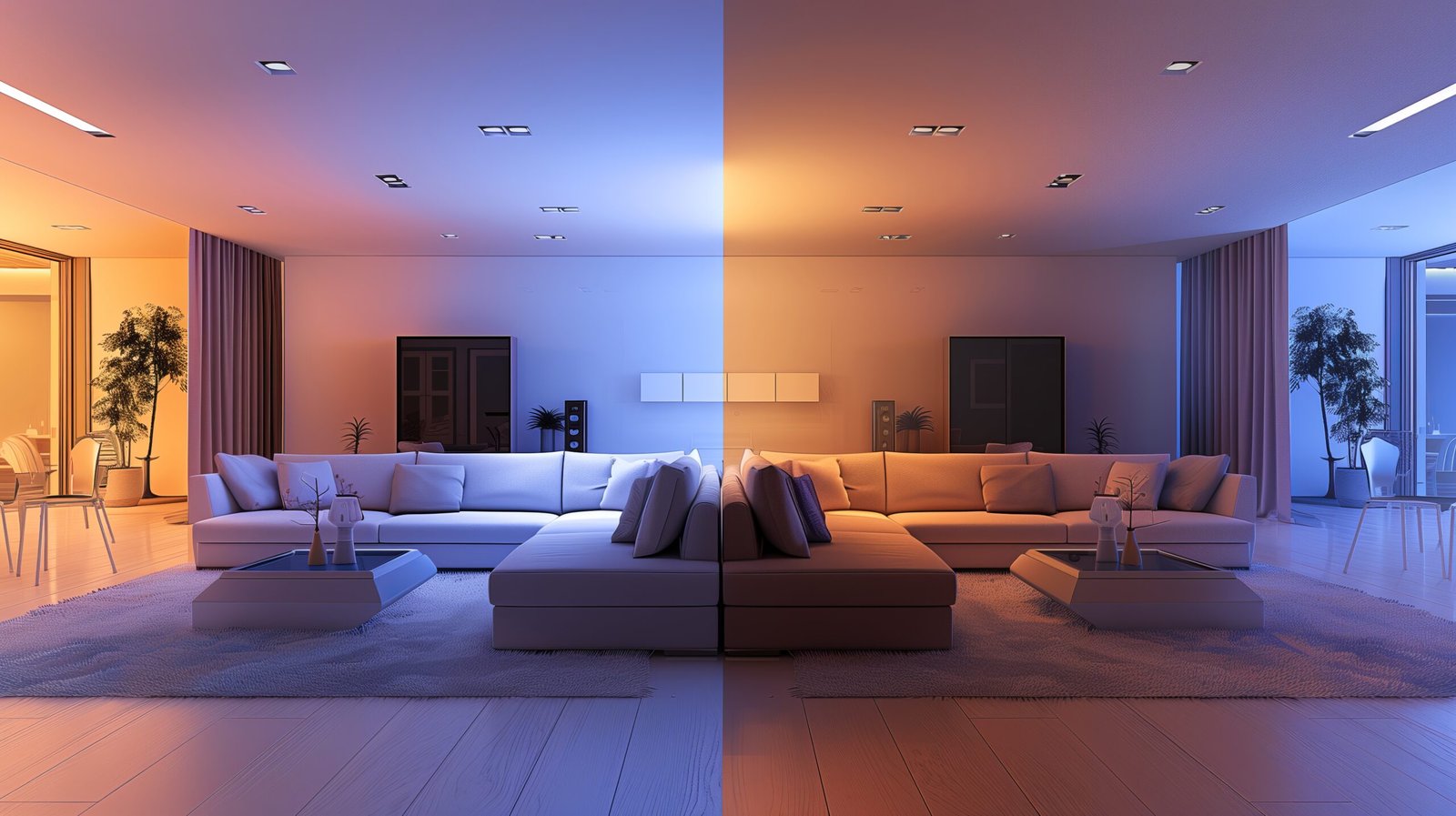
Lighting has the power to completely transform how your home looks and feels. The same living room can appear warm and welcoming under soft yellowish lighting or bright and contemporary under cooler white illumination. Yet, when selecting LED lights, many homeowners focus primarily on design, brightness, and energy consumption while overlooking one important factor: colour temperature.
Choosing between Warm vs Cool White LED Lights is not simply about personal preference. The right lighting can enhance your interiors, support everyday activities, and create a comfortable atmosphere for different spaces.
For example, warm white lighting can make a bedroom feel relaxing, while cooler white lighting may be useful in a kitchen or workspace where clear visibility is important.
But does that mean cool white is always better for working? Should every living room have warm lighting? And which LED colour works best for modern home interiors?
In this guide, we explain the differences between warm and cool white LED lights, their advantages and limitations, ideal applications, and practical tips to help you choose the right lighting for every room.
Understanding LED Colour Temperature
Before comparing warm and cool white lighting, it is important to understand colour temperature.
LED colour temperature is measured in Kelvin (K). It describes whether the light emitted by a source appears warmer, more neutral, or cooler.
Lower Kelvin values produce a warmer, yellowish appearance, while higher Kelvin values create a cooler, whiter appearance.
Colour temperature does not indicate how hot an LED fixture becomes or how much electricity it consumes.
Common LED Colour Temperature Ranges
| Colour Temperature | Light Appearance | Common Applications |
|---|---|---|
| 2700K–3000K | Warm white | Bedrooms, living rooms, dining areas |
| 3500K–4000K | Neutral white | Kitchens, bathrooms, multifunctional spaces |
| 5000K–6500K | Cool white to daylight-like | Workspaces, utility areas, task-oriented spaces |
These ranges are general descriptions. Product labels may vary between manufacturers, so checking the actual Kelvin rating is more reliable than relying on terms such as warm, natural, or cool white alone.
Warm vs Cool White LED Lights: Key Differences
The main difference between warm and cool white LED lighting is the visual appearance of the light.
Warm white produces a softer, yellowish glow, while cool white creates a crisper, relatively bluish-white appearance.
However, their suitability depends on the room, activity, interior colours, and individual preferences.
| Feature | Warm White LED Lights | Cool White LED Lights |
|---|---|---|
| Typical Colour Temperature | 2700K–3000K | 5000K–6500K |
| Appearance | Soft, yellowish-white | Crisp, bluish-white |
| General Atmosphere | Cosy and inviting | Bright and alert |
| Common Applications | Bedrooms, living rooms, dining spaces | Workspaces, utility areas, selected task zones |
| Interior Compatibility | Warm neutrals, wood and earthy finishes | Contemporary spaces and cooler colour palettes |
| Main Consideration | May not suit every detailed task | Can feel harsh in relaxation areas |
Neither option is universally better. The ideal choice depends on what you want the lighting to achieve.
What Are Warm White LED Lights?
Warm white LED lights generally fall within the 2700K–3000K colour temperature range.
They produce a soft, slightly yellowish light similar in appearance to traditional incandescent lighting.
Warm lighting is commonly used in residential spaces because it can create a welcoming atmosphere and complement natural materials.
Benefits of Warm White LED Lights
1. Creates a comfortable atmosphere
Warm lighting can make living spaces feel inviting, particularly during evenings.
2. Complements interior finishes
Wooden furniture, beige walls, warm metallic accents, and earthy textures often look appealing under warm white illumination.
3. Suitable for relaxation areas
Warm white is a popular choice for bedrooms, lounges, and dining spaces where a softer atmosphere is preferred.
4. Works well with decorative lighting
Pendant lights, wall sconces, bedside lamps, and decorative fixtures can use warm white LEDs to create a layered lighting effect.
Limitations of Warm White Lighting
Warm white lighting may not always be the preferred choice for activities requiring detailed visibility.
For example, food preparation, reading small labels, or precision-oriented tasks may benefit from additional task lighting.
However, visibility depends on brightness, fixture positioning, glare control, and colour rendering—not colour temperature alone.
What Are Cool White LED Lights?
Cool white LED lights generally produce a crisper, whiter appearance than warm white lighting. In this guide, cool white refers primarily to the higher range of approximately 5000K–6500K, although some manufacturers also label 4000K products as cool white.
These lights are often selected for spaces where homeowners prefer a brighter-looking, task-oriented environment.
Benefits of Cool White LED Lights for Home
1. Creates a crisp visual appearance
Cooler lighting can make a space appear clean and contemporary.
2. Suitable for selected work areas
Study rooms, utility spaces, and certain kitchen work zones may benefit from cooler illumination.
3. Complements contemporary interiors
Cool white can work with grey, white, and other cool-toned finishes when used thoughtfully.
4. Useful for task lighting
Properly positioned cool white fixtures can support activities that require clear visibility.
Limitations of Cool White Lighting
Cool white may feel overly clinical or harsh when used extensively in bedrooms or intimate living areas.
Higher-colour-temperature lighting can also create an undesirable atmosphere when fixtures are excessively bright or poorly positioned.
For evening relaxation spaces, many homeowners prefer warmer, dimmable lighting.
Which Is the Best LED Light Color for Home?
There is no single colour temperature that works perfectly throughout every home.
The best approach is to choose lighting according to each room’s purpose, available daylight, interior design, and the activities performed there.
For many residential interiors, combining warm white, neutral white, and selected cooler task lighting creates a more practical arrangement than installing the same colour temperature everywhere.
Best Lighting for Different Rooms
1. Living Room: Warm White for a Welcoming Atmosphere
The living room is used for relaxation, conversations, entertainment, and family gatherings.
Warm white lighting between 2700K and 3000K is a popular choice because it creates a comfortable atmosphere.
Consider combining ceiling lights with wall fixtures, table lamps, and accent lighting.
This layered approach allows you to adjust the room’s appearance according to different activities.
2. Bedroom: Choose Soft, Comfortable Lighting
Bedrooms generally benefit from warmer lighting, especially during the evening.
Warm white LEDs can be used for bedside lamps, wall lights, and general illumination.
Where possible, choose dimmable fixtures to provide greater control over brightness.
Avoid placing excessively bright or exposed light sources directly within your normal field of view when lying in bed.
3. Kitchen: Consider Neutral White Lighting
Kitchens require good visibility for cooking, cleaning, and food preparation.
Neutral white lighting around 3500K–4000K can offer a practical balance between visual comfort and task-oriented illumination.
Under-cabinet lighting can further improve visibility across countertops.
For open kitchens connected to warm-lit living areas, carefully coordinate the lighting to avoid abrupt visual differences.
4. Bathroom: Balance Visibility and Comfort
Bathrooms benefit from effective general lighting and dedicated mirror illumination.
Neutral white LEDs are often suitable for everyday activities such as grooming.
However, fixture placement and colour rendering are especially important around mirrors.
Avoid relying entirely on a single overhead fixture that casts shadows across the face.
5. Study Room or Home Office: Neutral to Cool White
For a study room or home office, consider lighting between approximately 4000K and 5000K, depending on your preference and the room’s daylight conditions.
The objective should be to provide sufficient illumination without creating glare on screens or work surfaces.
A dedicated desk lamp can provide additional flexibility.
6. Dining Room: Warm White for an Inviting Setting
Warm white lighting can create a pleasant atmosphere around the dining table.
Pendant lights are a popular decorative option, but they should be installed at an appropriate height to avoid obstructing views or creating uncomfortable glare.
Quick Room-by-Room LED Lighting Guide
| Room | Suggested Colour Temperature |
|---|---|
| Living Room | 2700K–3000K |
| Bedroom | 2700K–3000K |
| Kitchen | 3500K–4000K |
| Bathroom | 3000K–4000K |
| Study Room | 4000K–5000K |
| Dining Room | 2700K–3000K |
| Utility Area | 4000K–5000K |
These are starting recommendations, not mandatory lighting standards. Individual preferences and the lighting requirements of each space should guide the final selection.
How to Choose LED Lights for Home: Important Factors
Colour temperature is only one part of good lighting design.
Before purchasing LED lights, consider the following factors.
Brightness and Lumens
Lumens measure the amount of visible light emitted by a source.
Two LED lights with the same colour temperature can have different brightness levels.
Choose suitable lumen output according to the room size, fixture arrangement, and intended activities.
Colour Rendering Index (CRI)
CRI describes how accurately a light source renders colours compared with a reference source.
For general residential lighting, products with a CRI of 80 or above are commonly used. Higher colour-rendering performance may be preferable for applications such as artwork, dressing areas, and selected kitchen tasks.
Glare Control
Excessively bright or poorly positioned lighting can cause discomfort.
Consider fixture design, beam angle, diffuser quality, and placement when planning your home lighting solutions.
Energy Efficiency
LED technology can provide substantial energy savings compared with traditional incandescent lighting.
However, warm and cool white LEDs do not automatically have identical energy consumption.
Compare actual wattage, lumen output, efficacy, and product specifications rather than assuming one colour temperature is always more energy-efficient.
Dimming Compatibility
Dimmable LED lights provide flexibility for different activities and times of day.
Always confirm that the LED product and dimming control are compatible.
Practical Example: Combining Warm and Cool Lighting in a Modern Apartment
Consider a modern three-bedroom apartment where the homeowners want comfortable lighting without compromising functionality.
Instead of installing cool white lights throughout the property, a balanced lighting arrangement could include:
- Warm white ceiling and decorative lighting in the living room.
- Warm, dimmable bedside lighting in the bedrooms.
- Neutral white general lighting and under-cabinet task lighting in the kitchen.
- Neutral white mirror lighting in the bathrooms.
- Adjustable task lighting in the home office.
This approach allows each room to serve its intended purpose while maintaining a coordinated interior.
This is an illustrative design scenario, not a claim about a completed lighting installation.
Common LED Lighting Mistakes to Avoid
Even high-quality LED fixtures can deliver disappointing results when lighting is poorly planned.
Some common mistakes include:
- Using the same colour temperature in every room without considering functionality.
- Choosing lighting based only on wattage rather than lumens.
- Installing excessively bright fixtures in relaxation areas.
- Ignoring glare and fixture placement.
- Mixing significantly different colour temperatures within one small space without a clear design purpose.
- Overlooking colour rendering when selecting lights for dressing areas and other colour-sensitive applications.
A thoughtful lighting plan should balance brightness, visual comfort, colour temperature, and interior aesthetics.
Conclusion: Choose Lighting That Complements Your Lifestyle
When comparing Warm vs Cool White LED Lights, the right choice depends on more than appearance alone.
Warm white lighting can create a comfortable atmosphere in living rooms and bedrooms, while neutral and cooler lighting can support visibility in kitchens, study rooms, and other task-oriented spaces.
For the best results, consider colour temperature alongside brightness, colour rendering, glare control, and energy efficiency.
Rather than selecting one lighting colour for your entire property, create a balanced lighting plan that supports the purpose of each room.
Frequently Asked Questions
1. Is warm white or cool white better for home lighting?
Neither is universally better. Warm white is often preferred for relaxation areas, while neutral or cooler lighting may be useful for kitchens, workspaces, and task-oriented areas.
2. Which LED colour is best for a bedroom?
Warm white lighting between approximately 2700K and 3000K is a popular bedroom choice because it creates a softer atmosphere.
3. Are cool white LED lights suitable for living rooms?
Yes, depending on personal preference and interior design. However, many homeowners prefer warm white lighting for a more comfortable evening atmosphere.
4. Does cool white LED lighting consume more electricity?
Not necessarily. Energy consumption depends on the actual product’s wattage and efficiency. Compare manufacturer specifications rather than colour temperature alone.
5. What is the difference between 3000K and 4000K LED lights?
3000K produces a warmer, slightly yellowish-white appearance, while 4000K offers a more neutral white appearance.
6. Can warm and cool white lights be used together?
Yes. Different colour temperatures can be used in separate functional zones or through adjustable lighting systems. However, combinations should be planned carefully to maintain visual consistency.