A COB light, which is also known as a chip on board light, is a type of LED lighting technology. This technology involves mounting LED chips directly onto a single circuit board. The result is a more uniform and cleaner light output compared to traditional LED configurations.
When people design their homes, commercial spaces and hospitality projects, they want the shared benefits of both performance and good looks. That is why the COB light has become one of the preferred lighting solutions. Whether you are designing a luxury home, a retail store, or a hotel, it is worth understanding how a COB LED light works. This will help you make effective lighting decisions for your home.
In this guide, we will learn more about COB light, its applications, how it compares to SMD technology, its advantages and where it works best.
What is a COB Light?
COB lighting stands for Chip-on-Board lighting. Unlike LED fixtures, where you can see individual LEDs, a COB light combines multiple LED chips into a single lighting module. This creates a concentrated beam of light without any visible LED points. The result is a more sophisticated and efficient lighting effect.
Due to this function of their design and high light output COB light for ceiling applications have become very popular in modern architecture and interior design.
COB vs SMD LED: What’s the Difference?
One of the common questions people ask is how COB technology compares to SMD LED technology.
One of the common queries of people is the long-standing doubt of how COB technology compares to SMD LED technology in terms of efficiency and productivity.
| S.No. | Lighting Feature / Metric | Lighting Type A (e.g., Premium/COB) | Lighting Type B (e.g., Standard/SMD) |
| 1 | Beam Angle | Focused and directional | Wider light spread |
| 2 | Cost | Slightly higher | Generally more affordable |
| 3 | CRI (Colour Rendering) | Often higher and more accurate | Varies by product |
| 4 | Design Appearance | Sleek and premium | More conventional |
| 5 | Heat Dissipation | Better thermal management | Moderate heat dissipation |
| 6 | Light Quality | Smooth, uniform illumination | Individual LED points may be visible |
When an individual is comparing the benefits of COB vs SMD LED technology, neither one is better in all situations. The better alternative depends on the useful application of the said product. However, COB lighting is often preferred over SMD lighting when people want a high-quality appearance, accuracy and premium quality of lighting.
Key Advantages of COB LED Lights
1. Higher Lumen Density
One of the many advantages of a COB LED light is that it can produce an ample amount of light from a solid, compact source. This higher lumen density creates a greater illumination without the need of bulky fixtures. This happens to be the primary reason why COB technology is the right choice for interiors.
2. No Visible LED Dots
Traditional LEDs often show points of light at selective spots. A COB light eliminates this drawback by producing a uniform beam to maintain consistency. This results in ceilings and an overall refined appearance for the entire space.
3. Better Colour Rendering
COB fixtures often offer the feature of rendering colours, This means that colours, textures and materials appear more natural rather than artificial. This makes them particularly valuable in a wide mix of sectors, such as that of retail, hospitality, galleries and premium residential projects where visual presentation matters more.
4. Sleek and Minimal Design
Architects and designers often choose COB light for ceiling installations because of their ostentatiously luminescent appearance. Their compact profile allows lighting to blend seamlessly into interiors, while maintaining a stronger foot over performance.
Ideal Use Cases for COB Lights
The versatility of COB lights makes them suitable for a wide range of applications across diverse fields.
1. Living Rooms
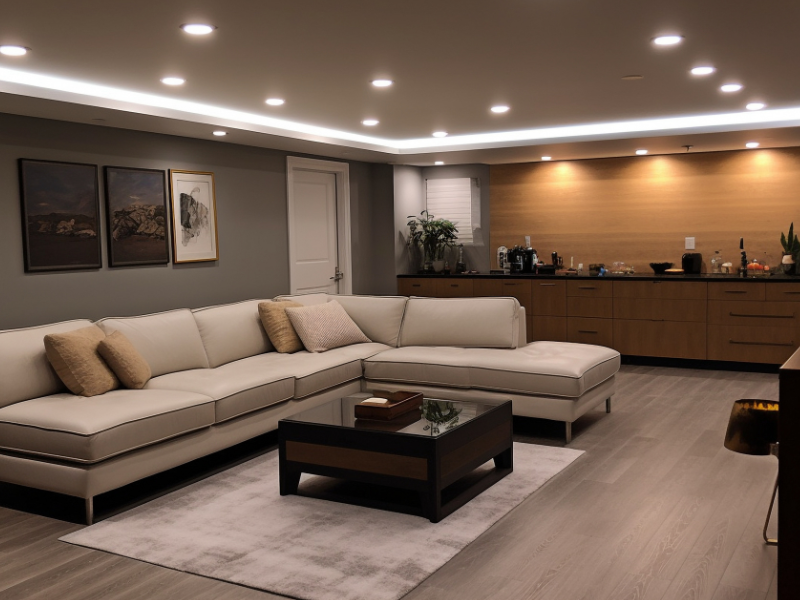
A COB downlight works best in living rooms. It provides illumination while maintaining a sophisticated atmosphere in the space. They are often used to highlight the brilliance of artwork, feature walls and architectural details, along with enhancing their overall appearance.
2. Retail Showrooms
Retail environments need products to look their best to attract the masses. The superior beam control and colour rendering of a COB LED light help showcase merchandise attractively and are successful in acquiring a higher footfall of audiences.
3. Hospitality Spaces
Hotels, restaurants, lounges and cafes often rely on COB light for ceiling installations to create a curated and premium experience for the guests. Their in-depth illumination compliments the depth and visual interest to the space, while also maintaining comfort.
4. Art Galleries
Gallery lighting requires absolute precision for a better effect. Gallery lighting needs absolute precision and finesse for a better effect. A COB light can demonstrate artwork without creating unnecessary glare that acts as a distraction. This makes it an obvious choice for exhibition spaces to highlight artworks, while preventing unnecessary glare on the frames.
5. False Ceilings
Modern false ceilings frequently incorporate COB fixtures. They provide sublime aesthetics and excellent performance while remaining discreet, hidden from plain sight. They can act as a great source of light without the distraction of the source of light, creating a minimal and clean appearance.
How to Choose the Right COB Light
COB fixtures are distinct and differ from one another. Here are a few factors to consider before making the purchase, which can help you to make an informed decision.
1. Choose the Right Wattage
The wattage should be chosen based on room size and lighting requirements. Larger spaces generally require higher-output fixtures.
2. Select the Ideal Beam Angle
A narrow beam does wonders for accent lighting, while wider beam angles can provide an overall broader coverage. The beam angle significantly impacts how a COB light performs and illuminates a space.
3. Check the CRI (Colour Rendering Index)
You should look for high-CRI fixtures whenever colour accuracy is the utmost priority. This is especially relevant for spaces like homes, hospitality projects, showrooms and commercial environments.
4. Verify the IP Rating
IP ratings are to be thoroughly checked for bathrooms, kitchens and outdoor applications. This helps to ensure suitable protection against moisture and dust.
5. Consider Dimmability Features
Dimmable COB fixtures offer flexibility. They allow users to adjust brightness based on mood and functionality. This feature is particularly valuable in hospitality and residential settings.
Frequently Asked Questions
1. Is COB Better Than LED?
COB is actually a type of LED technology. The question is often asked, posing the debate for COB versus LED fixtures, comparing their pros and cons. COB generally provides light output, higher intensity and a more premium appearance. These features make it an ideal choice for architectural lighting applications.
2. What is COB Light Used For?
A COB light is commonly used for lighting, architectural lighting, hospitality spaces, retail showrooms, living rooms, galleries and false ceiling installations. Its focused beam and neat appearance make it a highly versatile choice for architectural projects.
3. How Does COB Light Last?
Most quality COB fixtures offer lifespans of 30,000-50,000 hours or more. The lifespan of the fixtures highly depends on the usage. This long lifespan contributes to maintenance costs and better long-term value.
Why Architects and Designers Prefer COB Lighting
As lighting becomes a part of architectural design, professionals are increasingly inclined towards a choice that offers outputs beyond simple illumination. They need solutions that enhance experience, highlight design intent, and offer greater flexibility. COB lighting is successful in delivering on all these fronts. Its ability to provide beam control, high visual comfort and premium aesthetics makes it a preferred choice for contemporary projects.
This stands to be the primary reason why many modern commercial, hospitality and residential spaces now incorporate COB downlight systems as part of a layered lighting strategy.
Explore Claro Lights: The Best COB Lighting Solutions
At Claro Lights, lighting is approached as an architectural lighting solution rather than simply a product selection. The company’s range of COB lighting fixtures is designed to provide a helping hand to architects, designers and developers to create spaces that strike the perfect balance among essential factors, like aesthetics, functionality and performance.
From premium COB light for ceiling applications to commercial and hospitality projects, Claro offers customizable lighting solutions that adapt to the unique requirements of each space.
Whether you’re planning a project, retail showroom, hotel or office, Claros COB lighting systems help bring your design vision to life with precision and flexibility.
Final Thoughts
COB lighting has really changed the way we light up spaces. It does this by putting together things like performance and superior visual comfort in one simple solution. When you are designing a home or a store or a hotel or an office space a cob light is a choice. This is because it gives you an ample brightness and shows the accurate colours of things. This really makes the space you are designing look a lot better. COB lighting is an option for anyone who wants a space that looks good and feels good to be in.
Choosing the right cob led light involves considering important factors such as wattage, beam angle, CRI, and application requirements. With the right selection, COB fixtures can improve both functionality and design appeal to a great extent, delivering long-term goals like energy efficiency and reliability.
Explore Claro Lights’ complete range of COB lighting fixtures. Connect with our team for expert guidance on selecting the ideal lighting system for your next project.